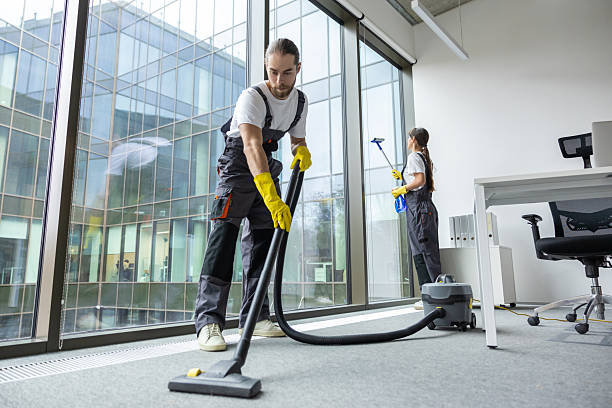
Entry‑Level Cleaning Jobs 2026: High Wages, Low Barriers & Flexible Hiring Near You

Are you looking for a job that pays well, doesn’t require a degree or experience, and can fit around your life? In 2026, the cleaning industry is booming—global janitorial and cleaning services are expected to generate over $339 billion in revenue this year, with the US market alone reaching $112 billion. At the same time, employers are desperate for reliable workers. They are offering competitive pay, full benefits, paid training, and – crucially – they are looking to hire people in your local area right now.This guide walks you through the latest 2026 salary data, the wide range of “no experience needed” roles, how to find cleaning jobs near you, and the real benefits you can expect. Whether you want a steady full‑time position, a flexible part‑time role, or even the chance to build your own business, cleaning work in 2026 has never been more accessible or more rewarding.
📊 H2: How Much Do Cleaners Earn in 2026? Up‑to‑Date Salary Data
Let’s start with the numbers. Pay varies by role, but the overall picture is clear: cleaning wages have risen significantly, and entry‑level workers are benefiting as much as experienced professionals.
Hourly and Annual Wages by Role (2026)
| Role | Median Hourly Pay | Median Annual Pay |
|---|---|---|
| Janitor / Building Cleaner | $17.27 | $35,930 |
| Janitor (Salary.com, May 2026) | $18.00 | $36,734 |
| Commercial Janitor (BLS) | $21.54 | $44,800 |
| Housekeeper / Home Cleaner | $15.00 | $30,215 |
| Professional Home Cleaner | $15.00 | $30,389 |
| Cleaner (average, Payscale) | $16.06 | $33,405 |
| Cleaner Housekeeping (ERI) | $18.00 | $37,623 |
| General Cleaner (top earners) | Up to $23.58 | Up to $49,040 |
| Cleaning Business Owner | Variable | $50,000–$100,000+ |
Sources: BLS, Salary.com, Payscale, ERI, ZipRecruiter, GetJobber (2026)
If you think cleaning work still pays minimum wage, think again. For janitorial roles, the average hourly pay is $17.27, with some commercial specialists earning over $21 per hour. Even entry‑level house cleaners typically earn $14–$16 per hour, and with experience or specialisation, you can easily earn $18–$25 per hour or more.
✅ H2: No Experience Required – The Cleaning Industry’s Low‑Barrier Entry
The cleaning sector is one of the most accessible in the American economy. You do not need a degree, a trade school certificate, or even a high school diploma to start.
Real 2026 job postings prove the point:
- Kwik Dry Total Cleaning (March 2026): “No experience necessary – we will train!” Must have a valid driver’s license.
- General Cleaner (January 2026): “NOW HIRING: CLEANING LEGEND (a.k.a. Our Next Hero with a Mop) NO experience needed”.
- Cleaner (February 2026): “Must be 18 years of age or older – No experience required and on‑the‑job training provided – No high school diploma, GED or college degree required”.
- HOODZ technician crew (April 2026): “does not require experience. We provide paid…”.
- ISS World (Los Angeles, March 2026): Offers a starting hourly salary of $18.50 with Benefits and Paid Time Off.
- Westfield Janitorial (May 2026): Part‑time janitorial support at $13–$18 per hour; no experience required.
What do you actually need? Very little. Most employers ask for:
- ✅ Must be 18 years or older
- ✅ A valid driver’s license and reliable transportation
- ✅ Physical ability to lift 25‑50 lbs and stand for full shifts
- ✅ A clean background check (varies by role)
- ✅ A willingness to learn
That is it. No degree. No years of experience. And in many cases, no CV is required—just a phone call or an online application.
📍 H2: Cleaning Jobs Near You – How Local Hiring Works in 2026
If you search Google or Indeed for “cleaning jobs near me,” you will find hundreds of local openings. The reason is simple: cleaning is a location‑based service. Businesses, schools, hospitals, and homeowners need cleaners who live nearby and can show up reliably.
Why cleaning jobs are so local:
- Employers prefer workers who can commute easily and start shifts on time.
- Franchises and small cleaning businesses operate within specific metropolitan areas.
- Many companies offer “neighborhood routes” where cleaners serve homes within a few miles of each other.
Real examples of local hires in 2026:
- Pure Sweep Cleaners (United States, April 2026): House cleaners earn approximately $25.42 per hour – 33% above the national average.
- Sodexo (Clayton, NC): Environmental Services Attendant at $17 per hour; housekeeping services in offices and patients‘/residents’ rooms.
- JustAgame Fieldhouse (Wisconsin Dells, WI): Part‑time janitorial support at $13–$18 per hour; cleaning and sanitizing restrooms, locker rooms, and common areas.
To find local opportunities, try these job boards: Indeed, Glassdoor, ZipRecruiter, Nextdoor, and PostJobFree. Use search terms like “cleaning near me,” “janitorial jobs near me,” or “housekeeping positions near me.” Setting up job alerts will ensure you see new openings immediately.
🏆 H2: Great Pay & Strong Benefits – What Employers Are Offering in 2026
Cleaning is no longer just a minimum‑wage job. In 2026, full‑time cleaning positions come with benefits packages that rival many white‑collar roles, and part‑time roles often offer flexible hours and weekly pay.
What a competitive cleaning job benefits package looks like in 2026:
- Health, dental, and vision insurance for full‑time employees
- 401(k) retirement plans with company matching
- Paid time off – vacation, sick leave, and holidays
- Life and disability insurance (often employer‑provided)
- Paid training and certifications – with national programmes covering safety and infection prevention
- Tuition reimbursement – up to $5,250 per year in many companies
- Weekly pay – so your cash flow is consistent
- Flexible schedules – evening, overnight, and weekend shifts available for those who need them
Real 2026 benefits examples:
- The Cleaning Technician Registered Apprenticeship (launched by ISSA in 2026) is a one‑year, competency‑based program combining structured training with paid on‑the‑job experience. Apprentices earn nationally recognised certifications in safety, infection prevention, and professional standards while working – and they earn a wage from day one.
- Many employers now offer free tuition for building maintenance programmes. For example, OTC’s Building Maintenance programme provides free tuition, with classes starting every eight weeks and covering hospital facility cleaning as well as OSHA and CPR certifications.
Pro tip: When you interview for a cleaning job, always ask about the total compensation package – not just the hourly wage. A job with health insurance, a 401(k) match, and paid training is worth much more than a job paying $1 per hour extra with zero benefits.
📈 H2: Industry Growth & Future Trends – Why Cleaning Jobs Will Stay in Demand
The cleaning industry is not just stable – it is growing rapidly, and that growth ensures long‑term demand for workers.
The market numbers (2026):
| Metric | Value |
|---|---|
| Global janitorial services market (2026) | $339+ billion |
| US janitorial services market (2026) | $112 billion |
| Commercial janitorial services (2026) | $81.13 billion (7.1% CAGR) |
| Global commercial cleaning market (2026→2035) | $72.4B → $140.4B (7.6% CAGR) |
| Eco‑friendly cleaning services (projected CAGR) | 8.5% |
| Home cleaning services CAGR (2026→2032) | 9.06% |
Sources: Research and Markets, IBISWorld, Global Growth Insights, Global Market Insights (2026)
What these numbers mean for job seekers:
- The market is huge and still expanding. The US janitorial services market alone is worth $112 billion in 2026.
- Specialised niches pay more. Eco‑friendly, medical, and industrial cleaning are high‑growth areas that typically command premium wages.
- Technology is improving jobs, not eliminating them. Automation handles repetitive tasks, allowing human cleaners to focus on higher‑value work with better conditions.
- The worker shortage is real. Employers are competing for reliable staff, which means wages and benefits will continue to rise.
🚀 H2: From Employee to Entrepreneur – Starting Your Own Cleaning Business
For cleaners who want maximum flexibility and income, starting a cleaning business in 2026 is one of the most accessible entrepreneurial paths available.
Why it makes sense now:
- Low startup costs. A solo residential cleaning business can start with just a few hundred dollars – cleaning supplies, basic equipment, and liability insurance.
- High margins. Solo cleaners often net 50–70% of their revenue after expenses.
- Recurring revenue. Weekly or bi‑weekly clients provide predictable income.
- Low barrier to business. You don‘t need a special licence in most states; you just need a reliable vehicle, basic marketing, and a few good clients.
How to get started on the side:
- Start small – clean 2–3 houses on weekends while keeping your day job.
- Advertise locally – use Nextdoor, Facebook Marketplace, or flyers in your neighbourhood.
- Build a reputation – ask for reviews and referrals from every happy client.
- Scale gradually – once you have 5–7 regular clients, you can transition to full‑time self‑employment.
Pro tip: Many successful cleaning entrepreneurs begin by working for an established company for 3–6 months to learn the ropes – how to quote jobs, handle supplies, manage schedules, and satisfy clients – and then branch out on their own.
🤔 H2: Risks and Challenges to Keep in Mind
No job is perfect. Being aware of potential downsides helps you plan ahead and protect yourself.
Physical demands. Cleaning is physically active – standing, bending, lifting, and repetitive movements for full shifts.
How to manage it: Stretch before and after shifts. Wear supportive footwear. Use proper lifting technique (legs, not back). Many employers now provide ergonomic training and tools.
Chemical exposure. Cleaning products can irritate skin, eyes, and lungs if used incorrectly.
How to manage it: Always wear provided PPE (gloves, safety glasses, masks). Ensure proper ventilation. Employers are required by OSHA to provide Safety Data Sheets (SDS) for all cleaning chemicals. Know where they are.
Job instability (commercial cleaning). Large contracts can change hands without warning.
How to manage it: Work for facilities with stable budgets (hospitals, schools, government buildings). If you are self‑employed, diversify your client base so no single customer makes up more than 20% of your income.
Wage theft and misclassification. Some employers classify cleaners as independent contractors to avoid paying overtime, unemployment, and workers‘ compensation.
How to protect yourself: If you are paid as a 1099 contractor but treated like an employee – set schedule, supplied tools, direct supervision – you are likely misclassified. File a complaint with your state labour department.
Pro tip: Keep a simple log of hours worked, tasks performed, and pay received – it takes 30 seconds per day and is invaluable if a pay dispute arises.
Quick Reference – Key 2026 Cleaning Industry Data
| Metric | Value |
|---|---|
| US janitorial services market (2026) | $112 billion |
| Global janitorial services market (2026) | $339+ billion |
| Janitor / building cleaner median annual pay | $35,930 ($17.27/hour) |
| Commercial janitor BLS average hourly | $21.54/hour |
| Janitor average (Salary.com, May 2026) | $36,734/year ($18/hour) |
| Housekeeper / home cleaner average | $30,215/year ($15/hour) |
| Top cleaner earnings (90th percentile) | Up to $49,040/year ($23.58/hour) |
| Average annual openings (BLS) | 514,900 |
| Commercial janitorial services CAGR (2025‑2026) | 7.1% |
| Global commercial cleaning market (2035 projected) | $140.4 billion |
| Green cleaning services projected CAGR | 8.5% |
| Home cleaning services CAGR (2026‑2032) | 9.06% |
✨ Conclusion
In 2026, cleaning jobs offer a rare combination of competitive pay, low barrier entry, and genuine flexibility. Janitors earn a median of $35,930 per year ($17.27/hour), commercial specialists earn over $21 per hour, and thousands of employers are actively hiring in your local area – with many explicitly stating “no experience needed – we will train”. The US cleaning services market is worth $112 billion, and the industry is growing steadily, which means demand for reliable workers will remain strong for years to come. Whether you are looking for a stable full‑time role with health benefits and a 401(k), a flexible part‑time position that fits around your life, or even the opportunity to launch your own cleaning business, the door is wide open. Check Indeed, Glassdoor, or Nextdoor today – and search “cleaning jobs near me”. Your next career move is closer than you think.