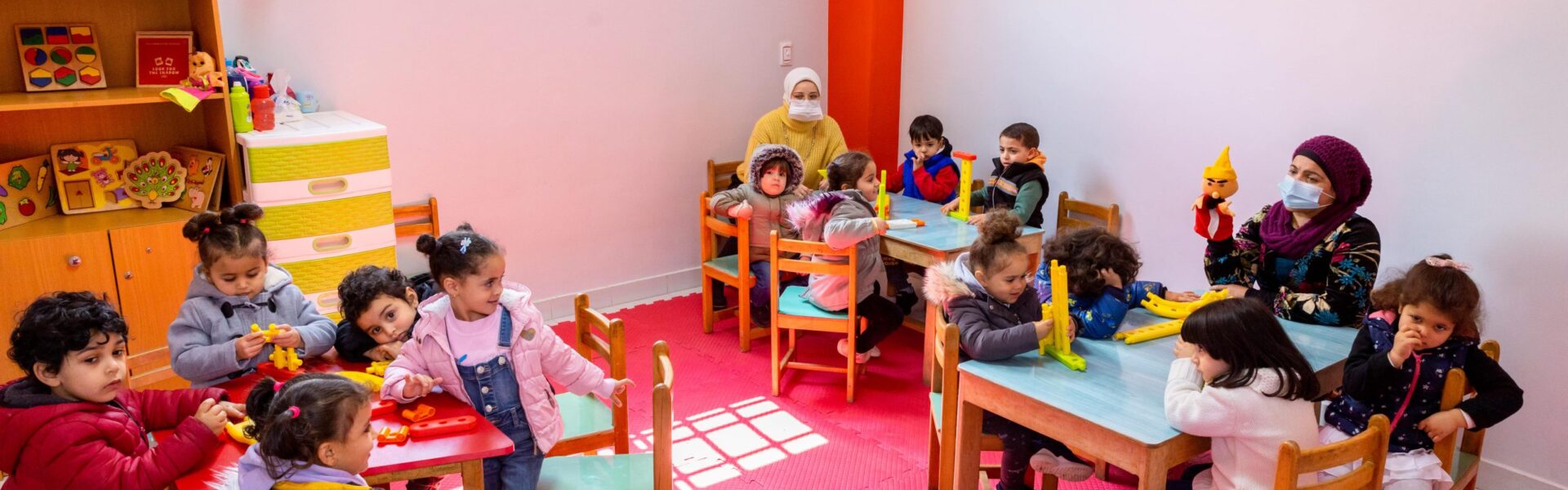

The early childhood education sector in the United States is experiencing significant growth and transformation. With over 1.5 million childcare workers employed across the country and the sector projected to grow by 4% to 6% annually, there is a consistent and increasing demand for qualified early childhood educators and childcare professionals. For individuals seeking stable employment with competitive benefits, professional development opportunities, and the chance to make a lasting impact on young lives, early childhood education jobs in the United States offer a rewarding and accessible career pathway.
Why Work in Early Childhood Education in the United States?
1. A Growing Sector with Diverse Opportunities
The early childhood education field offers a wide range of roles for qualified and passionate individuals. Positions are available across preschools, childcare centers, Head Start programs, public school systems, and private early learning institutions, working with children from infancy through school age.
Opportunities exist in various states, with particular demand in urban centers such as New York City, Los Angeles, Chicago, Houston, and Washington D.C., as well as in rural communities where childcare services are expanding. For internationally qualified candidates, there are specialized visa pathways such as the H-1B visa for specialized educators and J-1 visa exchange programs for teachers.
2. A Variety of Work Settings
Early childhood professionals work across diverse environments:
Childcare Centers and Preschools – Caring for children from infancy to preschool age
Head Start Programs – Federally funded early childhood programs serving low-income families
Public and Private Schools – Pre-K and kindergarten programs within school systems
Montessori and Specialized Centers – Working with specific educational philosophies or with children who have additional needs
Home-Based Childcare – Operating family childcare programs
Early Intervention Programs – Working with children with developmental delays or disabilities
3. Competitive Compensation and Benefits
Salaries for early childhood education positions vary depending on qualifications, experience, location, and type of employer. In 2025, the median annual salary for childcare workers is $37,500, with preschool and pre-K teachers earning approximately $48,000 per year, and elementary school teachers (including kindergarten) earning a median of $57,000.
Typical salary ranges by position:
| Position | Annual Salary Range |
|---|---|
| Childcare Worker (Entry Level) | $29,000 – $35,000 |
| Childcare Center Teacher | $35,000 – $42,000 |
| Preschool Teacher (Head Start) | $38,000 – $48,000 |
| Pre-K Teacher (Public School) | $48,000 – $58,000 |
| Kindergarten Teacher (Public School) | $48,000 – $60,000 |
| Early Childhood Lead Teacher | $41,000 – $55,000 |
| Childcare Center Director | $50,000 – $75,000 |
Typical benefits package in the United States:
| Benefit | Details |
|---|---|
| Health Insurance | Medical, dental, and vision coverage |
| Retirement Plans | 401K or pension plans with employer contributions |
| Paid Time Off | Paid sick leave, vacation days, and holidays |
| Professional Development | Free or subsidized continuing education and training |
| Childcare Discounts | Reduced fees for employees’ children |
| Tuition Reimbursement | Support for further education and credentialing |
| Flexible Spending Accounts | Healthcare and dependent care FSA options |
| Life and Disability Insurance | Employer-sponsored coverage options |
What Employers Look for in Candidates
Recruiters and hiring managers in the early childhood education sector evaluate candidates based on several key criteria:
1. Qualifications and Education
- High School Diploma or Equivalent – Required for entry-level positions
- Child Development Associate (CDA) Credential – Highly recognized and often required
- Associate or Bachelor’s Degree in Early Childhood Education (ECE) – Preferred for lead teacher roles
- Teaching License or Certification – Required for public school pre-K and kindergarten positions
- Degree in Education or Related Field – Preferred for more senior classroom roles
2. Certifications and Training
- First Aid and CPR Certification – Including Pediatric/Infant CPR
- Criminal Background Check – State and federal checks required; must be clear of any offenses against children
- FBI Fingerprint Check – Federal background screening
- Child Abuse Clearance – State-specific child abuse registry check
- TB Test and Physical Examination – Health clearance
- Immunization Record – Up-to-date vaccinations required
- Mandated Reporter Training – State-specific training on reporting child abuse and neglect
- Emergency Preparedness Training – Fire safety, disaster preparedness
3. Experience
- Experience working with children aged 0–5 years
- Previous experience in a childcare center or preschool – Often preferred
- Experience with children with developmental delays – Valued for specialized roles
- Experience implementing curricula – Such as Creative Curriculum, Montessori, or Reggio Emilia
4. Personal Qualities and Skills
- Passion for education and working with young children
- Strong communication and interpersonal skills – Ability to engage with families, staff, and children
- Excellent organizational skills – Ability to manage multiple responsibilities
- Creativity and flexibility – Ability to adapt activities to meet children’s needs
- Patience, compassion, and empathy – Essential for working with young children and their families
- Strong team player – Collaboration with colleagues and staff
- Reliability and punctuality – Consistent attendance and dependability
5. Language and Communication
- Fluency in English – Required for most positions
- Bilingual (Spanish/English) – Highly valued in many communities
- ASL (American Sign Language) – Beneficial for working with children with hearing impairments
6. Physical Requirements
- Ability to lift up to 50 pounds
- Frequent bending, stooping, squatting, and reaching
- Ability to stand for extended periods
- Ability to work with children on the floor and at child-level height
- Ability to supervise active children outdoors and indoors
Core Responsibilities of Early Childhood Educators
Child Development and Education:
- Plan and implement developmentally appropriate activities and curricula
- Support children’s cognitive, social, emotional, and physical development
- Foster learning through play, exploration, and structured activities
- Provide individualized instruction and support
- Observe and assess children’s progress
- Maintain developmental portfolios and assessment documentation
- Implement educational practices appropriate for the language, literacy, math, and social-emotional development of young children
Care and Supervision:
- Ensure the safety and well-being of all children in care
- Supervise children during all activities, both indoors and outdoors
- Guide children in developing proper eating, dressing, and toileting habits
- Provide nutritious meals and snacks
- Support children with special needs and learning disabilities
- Ensure children’s safety and well-being at all times
Communication and Documentation:
- Communicate daily with parents regarding children’s progress and daily activities
- Maintain accurate attendance, records, and documentation
- Prepare reports on children’s developmental progress
- Participate in parent-teacher conferences
- Discuss progress and concerns at staff meetings
- Build positive relationships with families and engage them in their children’s learning
Classroom and Environment Management:
- Maintain a clean, safe, organized, and inviting classroom environment
- Arrange materials and learning centers to support exploration and discovery
- Ensure books, toys, and equipment are in safe, functional repair
- Clean and disinfect surfaces, toys, and equipment
- Prepare learning materials and organize classroom resources
- Ensure compliance with all licensing and safety regulations
How to Apply: Step-by-Step Process
1. Prepare Your Application Materials
- Resume/CV: Highlight your education, certifications, and experience working with children
- Cover Letter: Express your passion for early childhood education and your qualifications
- Copies of Certifications: Include CPR, First Aid, CDA, and other relevant credentials
- References: Professional references from previous employers in childcare or education
- Background Check Authorization: Be prepared to authorize state and federal criminal background checks
2. Research and Apply
- Online Job Boards: Check sites like Indeed, Glassdoor, and specialized education job boards
- Direct Applications: Apply directly through school districts and childcare center websites
- Recruitment Agencies: Work with agencies specializing in education and childcare placements
- Government Programs: Explore Head Start and other federally funded program opportunities
- Networking: Connect with other educators and attend job fairs
3. Interview Process
- Initial Screening: Phone or video interview with HR representatives
- In-Person Interview: Meeting with center directors or school principals
- Classroom Demonstration: Teaching a sample lesson or working with children
- Background Check: Complete state and federal background checks
- Offer and Contract: Review and sign employment contract
4. Important Note on Recruitment Fees
Legitimate employers and agencies do not charge recruitment fees to applicants. Be wary of any organization requesting payment for job placement, visa processing, or application fees. Verify the legitimacy of any recruitment offer and research the employer thoroughly.
International Candidates: Visa Pathways
For internationally qualified candidates, there are several visa pathways to work in early childhood education in the United States:
H-1B Visa (Specialty Occupation): For educators with specialized knowledge and bachelor’s degrees in early childhood education or related fields. Cap applies (subject to annual limits).
J-1 Exchange Visitor Visa (Teacher Program): For international teachers participating in exchange programs. Requires sponsorship by a designated exchange program sponsor, teaching experience, and U.S. teaching credentials.
J-1 Intern/Trainee Visa: For early childhood education professionals gaining experience through internships or training programs in the U.S.
F-1 OPT (Optional Practical Training): For international graduates of U.S. institutions with degrees in early childhood education or related fields.
Note: Visa availability and requirements change regularly. Always consult with an immigration attorney or the U.S. Department of State for current and accurate information.
Why Apply? What Recruiters Emphasize
Recruiters consistently highlight that early childhood education jobs in the United States offer stability, professional growth, and the opportunity to make a lasting impact in a sector with consistent demand. The early childhood education sector continues to grow, with increasing recognition of the importance of high-quality early learning experiences.
Applying means:
- Securing a job in a sector with consistent demand
- Receiving comprehensive benefits including health insurance and retirement plans
- Obtaining professional development and training opportunities
- Working in a rewarding environment that makes a meaningful impact on children’s lives
- Accessing opportunities across diverse settings — from public schools to private centers
- Building a rewarding career with opportunities for advancement
Conclusion
Early childhood education jobs in the United States offer practical, stable employment with competitive benefits for qualified childcare professionals. The sector is accessible, with positions available for candidates with formal qualifications as well as those with relevant experience and certifications. Employers provide comprehensive packages including health insurance, retirement plans, paid time off, and professional development opportunities.
Whether you are looking for entry-level childcare roles, lead teacher positions, or specialized early childhood educator opportunities, positions are available across the country — from urban centers to rural communities. With the early childhood education sector continuing to grow, there has never been a better time to join this rewarding and meaningful profession.